electric-vehicles
Electrifying the People's Chariot
Muhammad Huzaifa Qasmi ·
← Unveiling Pakistan's Air Pollution
Navigating the complex terrain of transitioning to electric mobility
The 85% opportunity: Two and three-wheelers make up a staggering 85% of all vehicles in Pakistan, making their electrification the single most impactful strategy for cleaning up transport-related urban air pollution.
Overcoming key barriers: The transition is currently stalled by high upfront costs for consumers and a near-total lack of public charging infrastructure.
The game-changer: battery swapping: A model where batteries are leased and swapped at stations—rather than owned and charged at home—can make electric vehicles as affordable as petrol models and as convenient to “refuel”, removing the two biggest hurdles to mass adoption.
The roar of motorcycles and the weave of rickshaws is the soundtrack to urban life in Pakistan. These vehicles are not a luxury but a lifeline—the engines of mobility for the masses. Yet, they are also a primary source of the toxic air choking our cities. Muhammad Huzaifa Qasmi explores the immense opportunity to transform this fleet, moving from a legacy of pollution to a future of clean, electric mobility. This chapter is a roadmap for electrifying the people’s chariot—a transition that is not just possible, but essential for our public health and economic future.
In the bustling streets of urban Pakistan, two and three-wheeled vehicles represent more than mere transportation—they are economic lifelines embedded in the fabric of daily life. These “people’s chariots” navigate the narrow alleys of Lahore, weave through Karachi’s chaotic traffic, and transport goods through Peshawar’s crowded markets. Yet beneath their essential utility lies a growing environmental crisis: these ubiquitous vehicles contribute significantly to the dangerous air pollution choking Pakistan’s cities, with profound implications for public health and environmental quality.
As Pakistan’s urban centres expand, the dual challenges of air pollution and traffic congestion intensify. Electric two and three-wheelers offer a promising pathway towards healthier, more sustainable urban environments. However, this transition requires more than a simple technological swap—it demands addressing interconnected financial, infrastructural, technological, and social barriers through coordinated policy action and strategic investments.
The backbone of urban mobility
Two and three-wheelers dominate Pakistan’s transportation landscape, accounting for approximately 30 million of the country’s 35.5 million registered vehicles—roughly 85% of the total fleet.1 Their prevalence reflects their fundamental role in the mobility ecosystem and the country’s socioeconomic structure.
Their rise parallels Pakistan’s urbanisation trajectory. As populations migrated to cities seeking economic opportunities, the need for affordable, flexible transportation became essential. Two-wheelers emerged as the primary personal mobility solution, while threewheelers filled critical first and last-mile connectivity gaps in the fragmented public transport network. This trend accelerated dramatically in the early 2000s when Pakistan opened its market to locally manufactured Chinese motorcycles, triggering a 60-80% surge in two-wheeler sales and democratising access to motorised mobility.
Several factors make these vehicles indispensable to daily life;
Economic accessibility
They represent the most affordable means of motorised transport, particularly for Pakistan’s working class and lower-income segments.
Operational flexibility
They provide door-to-door service even in neighbourhoods where conventional public transport cannot reach due to narrow or undeveloped roads.
Fuel efficiency
Their relatively low fuel consumption makes them especially valuable in an economy where fuel prices significantly impact household budgets.
Spatial advantage
Their compact size enables navigation through congested urban environments where larger vehicles prove impractical, particularly in historic city centres and informal settlements.
The ownership patterns reflect their socioeconomic significance. Approximately 90% of motorcycles in Pakistan are privately owned and primarily used for personal transportation.2 However, the rise of digital platforms has created new economic opportunities, with many owners now leveraging their motorcycles for ride-hailing and food delivery services to generate additional income. These vehicles also play a vital role in Pakistan’s urban logistics networks, handling small-scale courier deliveries and goods transport in congested commercial areas.
Three-wheelers primarily serve as commercial passenger vehicles, with over 90% used
for public transport services.3 Whether through traditional street-hailing or newer appbased platforms, these vehicles provide essential mobility services to millions daily. They also fill crucial gaps in the urban freight ecosystem, particularly for small deliveries in congested areas where larger vehicles face access limitations.
The hidden cost of the people’s chariot
The degradation of air quality in Pakistan’s urban centres represents a silent but devastating public health emergency. Like an invisible illness slowly eroding health, air pollution seeps into the lungs and lives of millions every day.
This environmental crisis translates into tangible suffering: asthmatic children struggling to breathe in classrooms, roadside vendors battling chronic respiratory infections, and rising rates of cardiovascular disease among urban residents. According to the Global Burden of Disease study, air pollution contributes to approximately 128,000 premature deaths annually in Pakistan—making it one of the country’s leading environmental health risks.
Two and three-wheelers contribute disproportionately to this crisis due to several factors: poor vehicle maintenance, inadequate emission control technologies, adulterated fuels, and inefficient two-stroke engines in older models. These factors collectively result in the thick black smoke commonly visible on Pakistani roads, which contains harmful levels of particulate matter, carbon monoxide, and volatile organic compounds.
Recent emissions inventories across Pakistan’s major cities confirm the transport sector’s significant contribution to urban air pollution. As highlighted in the previous chapters, transportation contributes 51% of fine particulate matter (PM2.5) in Peshawar, 53% in Islamabad-Rawalpindi, 35% in Lahore, and 33% in Karachi. One report by the Urban Unit places transportation emissions as high as 80-85% in Lahore. Within this sector, two and three-wheelers represent a substantial portion of both vehicle numbers and total emissions.
In cities like Lahore and Peshawar, the air quality index (AQI) frequently reaches hazardous levels, particularly during winter months when meteorological conditions trap pollutants near ground level. This phenomenon, increasingly referred to as Pakistan’s “fifth season”, has become an annual public health emergency in northern Punjab.
The health implications are severe. Research from Aga Khan University reveals that Karachi’s air contains dangerously high levels of PM2.5, which can penetrate deep into the lungs and bloodstream. Hospitals across Pakistan’s urban centres report increasing cases of respiratory and cardiovascular diseases, with the elderly, children, and those with preexisting conditions most vulnerable. Medical professionals warn that without addressing air pollution, the public health burden will continue to grow, straining an already challenged healthcare system and reducing economic productivity through increased sick days and healthcare costs.4
Transitioning to electric two and three-wheelers, which produce zero tailpipe emissions, offers a powerful solution to this growing crisis. This shift has the potential to dramatically reduce urban air pollution, particularly in high-traffic corridors and dense urban areas where exposure to vehicle emissions is highest.
Navigating the electric transition
Pakistan’s journey towards electric vehicle adoption formally began in 2019 with the announcement of its National Electric Vehicle Policy, which established ambitious targets: 30% of new vehicle sales to be electric by 2030 and 90% by 2040. In 2021, the government integrated specific incentives into the Auto Industry Development and Export Plan (AIDEP 2021-26), creating a more concrete policy framework for the transition.
The global COVID-19 pandemic temporarily disrupted this momentum as travel restrictions and supply chain challenges halted progress. However, as economic conditions stabilised in late 2022, Pakistan’s nascent EV industry began to regain traction. More than 45 manufacturers have now secured licenses to produce electric vehicles in Pakistan, with the majority focusing on two-wheelers. While significant progress has been made in establishing the foundation for an electric mobility ecosystem, achieving the policy’s ambitious targets will require accelerated implementation and additional supportive measures.
The transition faces several interconnected challenges that must be addressed through coordinated approaches.
Charging infrastructure deficit
Perhaps the most visible barrier is the lack of public charging infrastructure. While Pakistan has extensive networks of petrol stations, electric charging facilities remain scarce. This creates “range anxiety”—the fear that vehicles will run out of power before finding a charging point—which significantly deters potential buyers.
Higher upfront costs
Electric vehicles typically cost up to twice as much as their conventional counterparts, primarily due to battery expenses. This price premium represents a significant adoption barrier in a price-sensitive market where many buyers are economically constrained. Although lifetime operating costs are lower, the higher initial investment remains prohibitive for many potential users, particularly those who rely on these vehicles for their livelihoods.
Regulatory uncertainty
Pakistan’s policy framework for electric vehicles continues to evolve. This regulatory uncertainty creates hesitation among manufacturers, investors, and consumers, who require clear, consistent policies to make long-term decisions. Without comprehensive and stable regulations covering vehicle standards, charging infrastructure, and grid integration, the market will struggle to achieve scale.
Despite these challenges, the potential benefits remain compelling and achievable with the right strategies. As battery technology advances and global production scales up, prices continue to fall, improving economic feasibility. Strategic investments in charging infrastructure can overcome range anxiety, while well-designed financial incentives can bridge the upfront cost gap during the transition period.
This moment represents a critical juncture for Pakistan’s transportation sector. We are witnessing one of the most profound technological transitions in modern history—a fundamental reshaping of global mobility systems. Nations like China and India have recognised this shift and positioned themselves as leaders in electric mobility, particularly in the two and three-wheeler segments.
Pakistan’s vehicle technology currently lags behind global and regional standards, but this transition offers a unique opportunity to leapfrog outdated technologies. By strategically embracing electric mobility, Pakistan can transform from an import-dependent consumer to a competitive manufacturer in the global transportation landscape. This shift would generate economic benefits through local manufacturing, reduce the country’s substantial fuel import bill, and create new jobs in emerging technology sectors.
Changing public perception: from skepticism to acceptance
Public acceptance is fundamental to the successful adoption of any new technology, and electric mobility is no exception. In Pakistan, the electric vehicle narrative is just beginning to take shape, and as with most technological transitions, initial skepticism is common.
The introduction of electric two and three-wheelers represents both a technological and cultural shift in a country where generations have relied on petrol and LPG-powered vehicles. Common concerns include:
“Will the battery last long enough for my journey?”
“What if I can’t find a charging station?”
“How will I be able to buy such an expensive vehicle?”
“How can we afford charging our vehicle when the electricity bill is already so high?”
However, public perception is gradually evolving as awareness of air pollution’s health impacts grows. The younger generation, in particular, demonstrates greater environmental consciousness and increasingly views electric vehicles as a solution to urban air quality challenges. Social media platforms and environmental advocacy have accelerated this awareness, creating more receptive attitudes towards sustainable transportation options.
Pilot projects and demonstration initiatives are playing a crucial role in influencing public perception. For example, recent deployments of swappable battery-based electric threewheelers in Lahore and Multan allow communities to directly experience these vehicles’ benefits. While limited in scale, these projects build confidence in electric mobility by demonstrating reliability, performance, and economic advantages in real-world Pakistani conditions.
Educational campaigns highlighting the economic benefits—particularly lower operating
costs—are also proving effective in changing perceptions. As more drivers realise they can save substantially on daily expenses, interest in electric options increases despite higher upfront costs. This shifting perception creates a foundation for broader adoption as technology improvements and policy support make electric vehicles increasingly accessible.
Battery swapping: a game-changing solution
How can electric two and three-wheelers become affordable and practical for ordinary Pakistanis? Battery swapping technology offers a particularly promising solution that could accelerate Pakistan’s electric mobility transition.
This approach has gained significant traction globally as an alternative to traditional charging. In China, NIO has established extensive networks of automated battery swapping stations. In India, companies like Sun Mobility are creating swapping infrastructure specifically for two and three-wheelers, while Taiwan’s Gogoro has built a comprehensive ecosystem around swappable batteries that has transformed urban mobility.
Battery swapping fundamentally changes the economics of electric vehicle ownership. Instead of purchasing both the vehicle and its battery—where batteries can account for 40-50% of an electric vehicle’s cost—consumers buy only the vehicle. The batteries themselves are managed by service providers who handle charging, maintenance, and replacement. This model is analogous to purchasing a vehicle and then paying for a fuel service rather than the fuel itself.
This approach offers several compelling advantages for the Pakistani market.
Affordability
By separating battery costs from vehicle purchase, the upfront price drops dramatically potentially reaching parity with conventional vehicles. This addresses the most significant adoption barrier in Pakistan’s price-sensitive market.
Rapid refueling
Battery swapping eliminates long charging times. Drivers can exchange depleted batteries for fully charged ones in less than five minutes—comparable to traditional refueling enabling continuous operation without extended downtime.
Elimination of range anxiety
The availability of swapping stations throughout urban areas removes concerns about running out of power, as drivers can simply exchange batteries when needed rather than planning around charging station availability.
Battery lifecycle management
Service providers handle battery maintenance, quality assurance, and eventual recycling. As battery technology improves, the network can introduce newer, higher-capacity models without requiring vehicle replacement.
Consistent resale value
Since the vehicle’s value is no longer tied to battery condition, resale values remain more stable. This resolves a significant concern in conventional electric vehicles, where battery degradation substantially impacts residual value.
Recent pilot projects demonstrate the viability of this approach in Pakistan. In partnership with LUMS, USAID Pakistan launched a Low-Speed Electric Vehicles (LSEV) pilot in Multan in December 2023, deploying 20 electric rickshaws with swappable batteries supported by two swapping stations, including one powered by solar energy.
Initial results from this pilot offer encouraging insights. Drivers report seamlessly
The electrification of the ‘people’s chariot’ is not merely an environmental necessity but an economic opportunity and public health imperative. The time for this transformation is now.
integrating battery swapping into their daily routines, with the process becoming as routine as traditional refueling. The operational benefits translate into tangible economic advantages—drivers experience both higher daily earnings due to increased operational hours and lower operating costs. Passengers, particularly environmentally conscious youth, have responded positively to the vehicles’ quieter operation and pollution-free transport.
These preliminary findings suggest that swappable battery technology could provide a practical path forward for Pakistan’s electric mobility transition, particularly for commercial applications where daily usage is high and operating economics are critical.
Financing the electric mobility transition
Transitioning to electric mobility requires not just technological solutions but also innovative financial mechanisms to make these technologies accessible to the millions who rely on two and three-wheelers daily.
A key strategy lies in blended finance approaches that combine concessional loans, grants, revolving funds, guarantees, and equity investments. These instruments
can effectively mitigate financial risks for early investors and help scale electric vehicle deployment across Pakistan.
Globally, this financing approach has mobilised substantial resources for sustainable transportation, with approximately USD 336 billion directed towards clean transportation initiatives in 2021-22 alone. For Pakistan, blended financing can attract capital from multiple sources: Development Financial Institutions (DFIs) can provide concessional loans with favourable terms; State-Owned Entities (SOEs) can offer guarantees to reduce investment risk; and Commercial Financial Institutions (CFIs) can develop specialised EV lending products once initial market barriers are addressed.
The financing challenge is particularly acute for Pakistan’s low-income and working-class populations, who typically lack access to traditional banking services due to limited credit histories or insufficient collateral. This is where Non-Banking Financial Institutions (NBFIs) can play a crucial role by offering microloans with flexible terms specifically designed for electric two and three-wheeler purchases.
These smaller, more accessible loans—often with lower down payments, extended repayment periods, and Islamic (non-interest) financing options—can enable individuals who depend on these vehicles for income to transition to electric alternatives without financial hardship. NBFIs can partner with vehicle manufacturers and dealerships to create integrated financing packages covering not just vehicle costs but also maintenance services and battery leasing arrangements.
Government support for these lending programmes is essential to ensure their sustainability and reach. This could include credit guarantees, interest subsidies, or risksharing mechanisms that encourage NBFIs to expand lending in this emerging sector.
Pakistan also has significant opportunities to leverage international climate finance. Organisations such as the Green Climate Fund (GCF), Climate Investment Funds (CIF), Mitigation Action Facility (MAF), and Global Environment Facility (GEF) provide grants and low-interest financing specifically for emissions reduction initiatives in developing countries.
Accessing these funds requires strong collaboration between public institutions, private sector partners, and civil society organisations to develop comprehensive proposals demonstrating both environmental benefits and economic viability. These resources could be particularly valuable for financing charging infrastructure, battery swapping networks, and manufacturing capacity—the foundational elements of an electric mobility ecosystem.
The economic case for electric mobility
A frequent question from potential buyers is: “Why should I invest in an electric vehicle when they cost more upfront?” The answer requires looking beyond the purchase price to consider the total economic picture throughout the vehicle’s lifespan.
Total Cost of Ownership (TCO) analysis reveals that electric two and three-wheelers typically become more economical than conventional alternatives within 2-4 years of operation, despite their higher initial purchase price. This economic advantage stems from several factors.
Lower energy costs
Electric motors convert energy much more efficiently than internal combustion engines, resulting in significantly lower per-kilometre operating costs. Electric two-wheelers can travel approximately three times farther on the energy equivalent of one litre of petrol.
Reduced maintenance requirements
Electric vehicles have fewer moving parts, no oil changes, no fuel filters, and simplified transmission systems. This translates to approximately 40% lower maintenance costs over the vehicle’s lifetime.
Extended vehicle lifespan
The simpler drivetrain of electric vehicles typically lasts longer than internal combustion engines, particularly in stop-and-go urban traffic conditions that characterise Pakistani cities.
Operational reliability
Electric vehicles offer greater reliability with fewer mechanical failures, reducing costly downtime for commercial operators.
Quantitative analysis demonstrates these advantages clearly. Annual operational costs for electric motorbikes are approximately 50% lower than conventional models, while electric three-wheelers can reduce operating expenses by up to 70%. For commercial drivers, these savings significantly impact daily earnings and long-term financial security.
Consider a typical office worker in Karachi who commutes by motorcycle. While an electric model might cost more initially, the cumulative savings on fuel and maintenance begin to offset this premium by the second year of ownership. By year three, the economic advantage becomes substantial. Similarly, for a rickshaw driver in Lahore, the transition to electric can increase daily profits through both lower operating costs and increased operational hours.
These economic benefits extend beyond individual vehicle owners to the broader economy. Pakistan currently spends approximately USD 20 billion annually on petroleum imports, placing enormous pressure on foreign exchange reserves and contributing to economic instability. By transitioning to domestically powered electric vehicles, Pakistan can reduce this import dependency while creating new jobs in manufacturing, charging infrastructure, and battery services.
Cleaner at the tailpipe and at the grid
A common concern about electric vehicles in Pakistan centres on the country’s electricity generation mix: “If our electricity comes from fossil fuels, aren’t electric vehicles just shifting pollution from roads to power plants?”
This perspective overlooks several critical factors that make electric vehicles substantially cleaner even in Pakistan’s current energy context. Pakistan’s electricity generation is considerably cleaner than often assumed. According to the National Transmission and Despatch Company (NTDC), approximately 43% of Pakistan’s electricity generation comes from low-carbon sources:5
- Hydropower (25.4%)
- Nuclear (11.4%)
- Wind (4.8%)
- Solar (1.1%)
- Bagasse (0.3%)
Additionally, 26% comes from medium-carbon natural gas and RLNG plants, which produce significantly fewer pollutants than the diesel engines in conventional vehicles. NTDC’s Integrated Generation Capacity Expansion Plan (IGCEP) reports that the current emissions factor of Pakistan’s electricity mix is approximately 340 gCO2 per kWh—lower
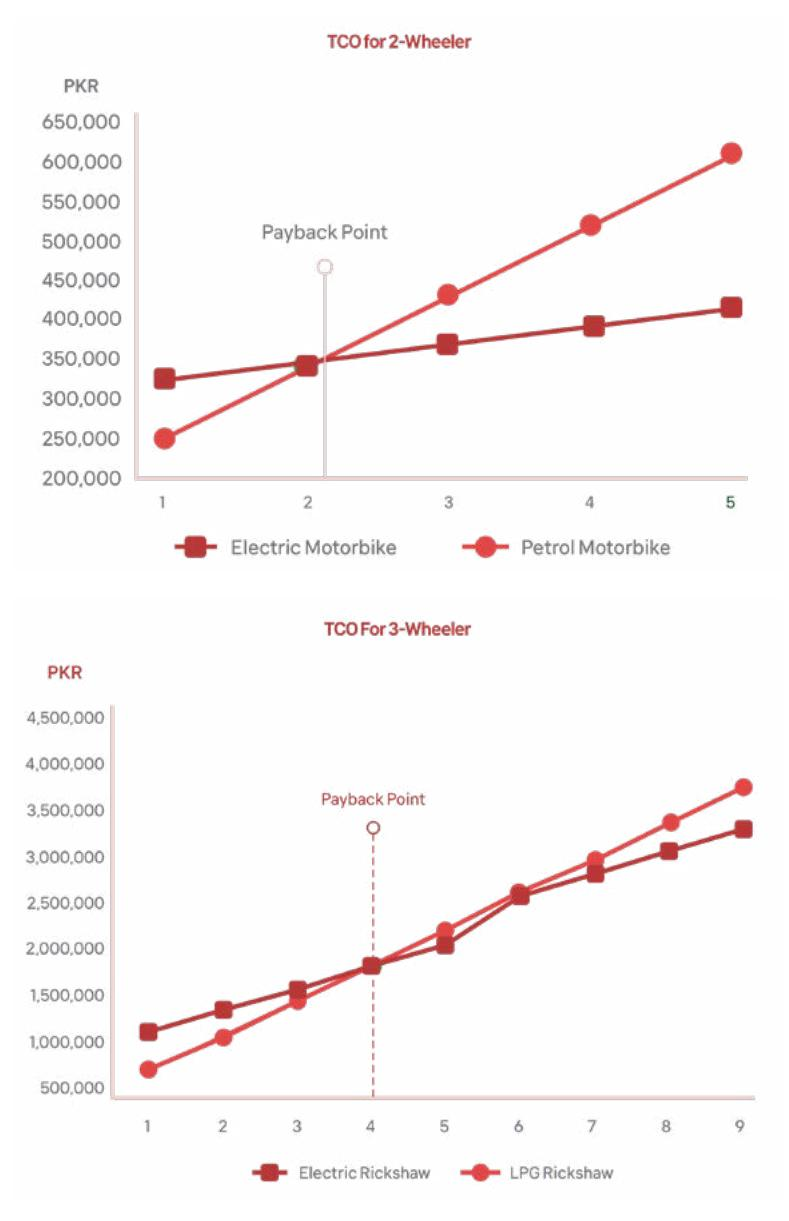
Exhibit 12.1: The Economic Tipping Point for the People’s Chariot. The higher sticker price of electric vehicles is deceptive. Whether for a two-wheeler or a commercial three-wheeler, dramatic savings on fuel and maintenance create a clear economic tipping point. As these analyses show, the electric motorcycle becomes the cheaper option in just two years, while the electric rickshaw pays for its premium in four. This powerful economic case makes electrification the clear long-term financial choice for the vast majority of vehicle owners in Pakistan.
than many other regional countries.6
This emissions profile continues to improve as Pakistan increases its renewable energy capacity in line with national targets of 30% renewable energy by 2030. The country’s rapidly growing solar photovoltaic deployments and wind power suggest this transition will accelerate in coming years.
Beyond the generation mix, electric vehicles offer inherent efficiency advantages. While conventional internal combustion engines convert only 20-35% of fuel energy into actual movement (with the rest lost as heat), electric motors achieve 85-90% efficiency in energy conversion. This means that even when powered partially by fossil fuel-generated electricity, electric vehicles use that energy more efficiently and produce fewer emissions per kilometre traveled.
The emissions benefits are substantial and quantifiable. Analysis shows that electric twowheelers in Pakistan’s context reduce CO2 emissions by approximately 80% compared to conventional motorcycles, while electric three-wheelers reduce emissions by about 70% compared to traditional auto-rickshaws.
Pakistan’s ongoing solar transition further enhances these benefits. The rapid growth of
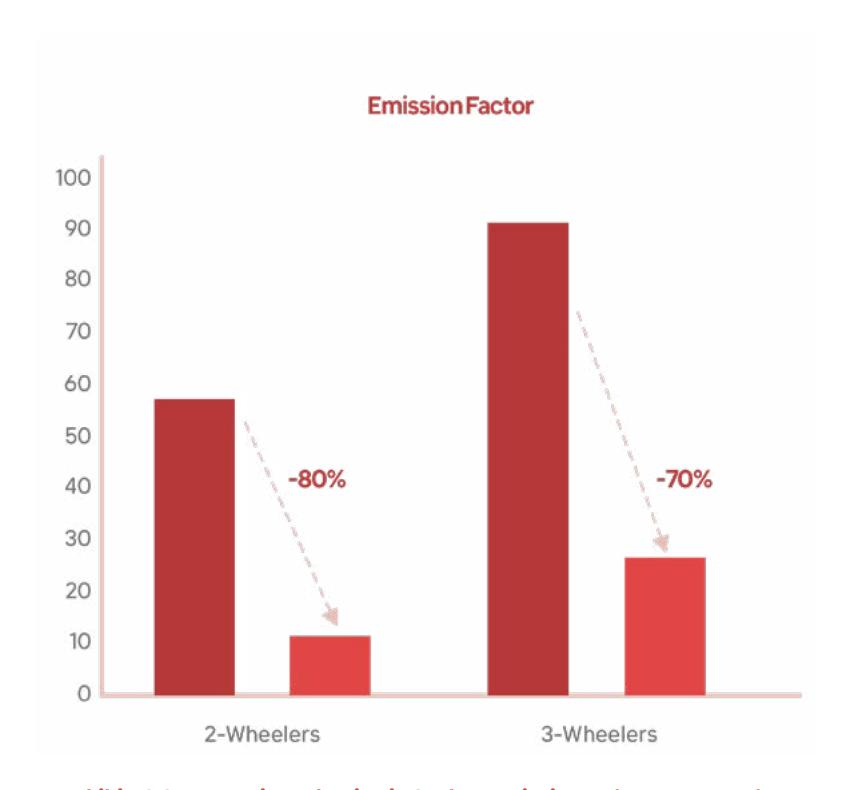
Exhibit 12.2: A Drastic Reduction in Carbon Emissions. The argument that EVs merely shift pollution to power plants overlooks a critical fact: Pakistan’s grid is cleaner than commonly believed. With over 40% of electricity generated from low-carbon hydro and nuclear sources, the energy powering EVs is already significantly less polluting than the petrol and diesel they replace.
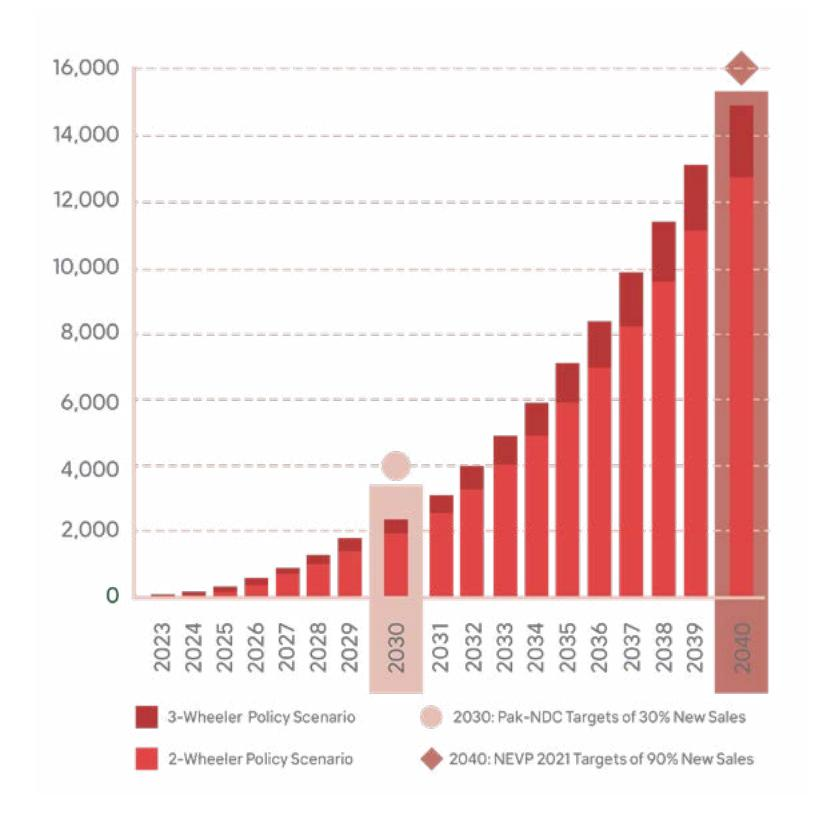
Exhibit 12.3: A 70% Cut in Carbon Emissions. Electrification offers a powerful climate co-benefit. The superior efficiency of electric motors means that even on Pakistan’s current grid, switching a single motorcycle or rickshaw to electric slashes its carbon footprint by over 70%, representing one of the most effective and immediate climate actions available.
rooftop solar installations across residential, commercial, and industrial sectors creates opportunities for clean charging. As electric vehicles enter the market, this distributed solar capacity can power them with truly zero-emission electricity while reducing pressure on the national grid.
Perhaps most immediately important for urban residents is that electric vehicles produce zero tailpipe emissions. Unlike conventional vehicles that release pollutants directly into street-level air where people breathe, electric vehicles eliminate local pollution entirely. These vehicles, being virtually silent and emission-free at the point of use, deliver two significant urban benefits simultaneously: they help reduce the dangerous levels of air pollution in Pakistan’s cities and substantially decrease noise pollution, which the WHO recognises as a serious environmental health threat linked to stress, hearing loss, and cognitive impairment in children.
For Pakistan’s congested urban centres suffering from critical air quality challenges, this local pollution reduction represents an immediate and tangible public health benefit that complements the longer-term climate advantages.
A cleaner and sustainable urban future
The electrification of Pakistan’s two and three-wheelers represents more than a technological transition—it offers a transformative opportunity to reimagine urban mobility while addressing the urgent air quality crisis affecting millions of citizens. By focusing on these ubiquitous vehicles, Pakistan can achieve substantial environmental and public health benefits while creating new economic opportunities in manufacturing, services, and technology.
The path forward requires a multifaceted approach: innovative financing to overcome initial cost barriers; infrastructure development to support charging and battery swapping; regulatory frameworks that provide certainty and stability; public education to build acceptance and understanding; and targeted incentives that accelerate adoption among commercial users who can achieve the greatest immediate benefits.
With strategic implementation of these measures, Pakistan can transform its urban transportation landscape—preserving the mobility advantages of two and three-wheelers while eliminating their environmental impacts. The result would be cleaner air, quieter streets, reduced import dependency, new jobs, and improved quality of life for millions of urban residents. The electrification of the “people’s chariot” is not merely an environmental necessity but an economic opportunity and public health imperative. The time for this transformation is now.
Muhammad Huzaifa Qasmi is an Energy and Environment Specialist at the LUMS Energy Institute, leading initiatives in electrification, emissions reduction, and electric mobility across Pakistan.
A view of Lahore’s Qaddhafi Stadium is nearly obscured by a thick shroud of smog. The haze disrupts not only daily life but also cultural and sporting events, symbolising how air pollution holds the city’s vitality hostage. Photo by Mahera Omar/Pakistan Air Quality Initiative
Footnotes
-
Ministry of Finance. (2024). Pakistan economic survey 2023–24 (pp. 157–159). ↩