pm25
Anatomy of Smog
PAQI Team ·
← Unveiling Pakistan's Air Pollution
A primer on air pollution
It’s not just dust: Pakistan’s toxic air is a complex chemical cocktail of pollutants. The most dangerous, fine particulate matter (PM2.5) is an invisible assassin of a size 30 times smaller than a human hair, which allows it to penetrate the bloodstream and have the potential to damage every organ in the body.
Standards are the floor, not the ceiling: NEQS are weaker than WHO guidelines. Aligning fuel quality and real-world enforcement with health science is essential to bring down PM, NO2, SO2, ozone, and lead.
Protection today, prevention tomorrow: Masks, cleaner indoor air, and smart timing reduce exposure now, but only structural measures like clean fuels, vehicle inspection, kiln modernisation, waste and crop burning control, and electrified transit will deliver clean air for all.
The air that poisons us is not a single entity. It is a complex, often invisible, chemical soup, with each ingredient contributing to a different facet of the crisis. To fight this enemy, we must first quality emergency, moving beyond the single metric of ‘AQI’ to reveal the science of what we are breathing. This is the chemical fingerprint of our national health crisis—a crisis that is measurable, understandable, and therefore, solvable.
Breathing the problem
Pakistan is among the most polluted nations in the world, with all its 238 million inhabitants exposed to unsafe levels of polluted air.1
Every breath in Pakistan carries more than it should. From Karachi’s port corridors to Peshawar’s valley basin, the air we inhale contains concentrations of pollutants far above levels considered safe for health. In November 2024, Lahore reached an AQI reading near 19001 and Multan climbed above 20002. Those numbers are difficult to imagine until you feel the sting in the throat, the tightness in the chest, the acrid taste and accompanying haziness that lingers even indoors. These peaks are only the loudest moments in a chronic story. Day after day, Pakistan’s cities and many rural districts live with particle and gas concentrations that breed disease, shorten lives, reduce productivity, and sap community energy.
It can be said with certainty that no other country suffers from a worse air pollution problem.
This chapter explains what is in our air, why it harms us, how it connects to climate, what policy can do, and how people can protect themselves while the larger solutions take hold.4 [^5] 3
What we mean by polluted air
Air pollution is the presence of harmful substances in the atmosphere that change its normal composition and threaten health, ecosystems, and the climate. Some pollutants are emitted directly, like soot from a diesel truck or smoke from a brick kiln. Others form in the air when primary pollutants react in sunlight and moisture. Pollutants behave differently in time and space. Some spike for hours, others linger for weeks or months, and a few persist long enough to influence regional climate. Weather and geography turn chemistry into daily exposure. Pakistan’s plains and basins trap winter air under temperature inversions that act like a lid, letting pollutants accumulate near the ground with mountains to the north and slow ventilation to the east. Seasonal behaviours add fuel to the chemistry: crop residue burning after harvest, more traffic and generator use during power shortfalls, dirty biomass fuels for household cooking and heating. What looks like one brown veil is a moving blend of local and upwind emissions shaped by the day’s weather.7 4
Why standards matter, and where to find them
Pakistan’s National Environmental Quality Standards (NEQS) set legal limits for key pollutants. They are the baseline for enforcement. The World Health Organization sets health-based guidelines that reflect the best evidence on risk. Those guidelines are a more protective target. This chapter does not repeat the detailed tables because they are presented in Chapter 3. What follows focuses on the six criteria pollutants5 recognised in Pakistan’s standards and in global air quality management practice: particulate matter, sulfur dioxide, nitrogen dioxide, ground-level ozone, carbon monoxide, and lead. Three other pollutant families that shape real-world exposure—ammonia, volatile organic compounds, and polyaromatic hydrocarbons—are discussed later because they drive the chemistry that produces the particles and ozone we actually breathe.10
Particulate matter: the invisible killer
If there is one pollutant to remember in Pakistan, it is particulate matter. PM is a catch-all term for tiny solids and droplets that float in air. PM10 is coarse particulate matter, yet small enough to enter the lungs. PM2.5 is smaller and more dangerous because it penetrates
[^5] Health Effects Institute. (2024). State of global air 2024: Exposure and health impacts.
NASA Earth Observatory. (2024, November). Smoky skies over the Indo-Gangetic Plain.
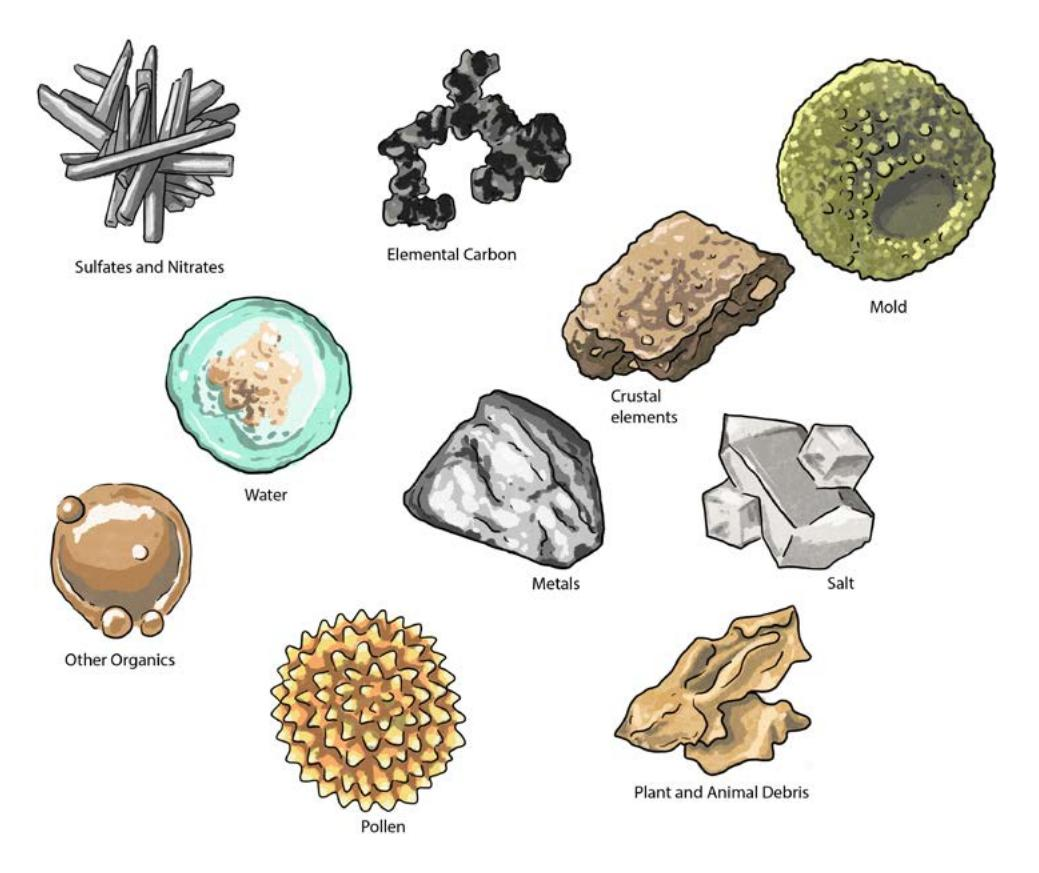
Exhibit 2.1: Composition of Particulate Matter. A complex mixture of a variety of different substances, particulate matter comprises fine particles such as sulfates and nitrates, elemental carbon, metals, water, etc. The coarser particles include pollen, mold, salt, plant and animal debris, etc. Illustration by Maaz Jan/Deconstruction Station
deep into the lung and, depending on size and chemistry, can move into the bloodstream. It helps to picture the scale. A human hair is about 70 micrometres wide. A red blood cell is roughly 6 to 8 micrometres across. PM2.5 is 2.5 micrometres and below, small enough that the body’s defenses often miss it.
Particles reach the air in two ways. Primary particles are emitted directly as soot, ash, and dust from engines, brick kilns, boilers, generators, open waste fires, construction sites, and unpaved roads. Secondary particles form in the atmosphere when gases such as sulfur dioxide, nitrogen oxides, and ammonia react to create sulfates, nitrates, and other compounds that then condense or cling to existing particles. Natural events add their own load, including dust storms across the plains and smoke from wildfires when they occur.6
The health story is blunt. Short-term exposure to high PM levels causes irritation of eyes, nose, and throat, chest tightness, coughing, shortness of breath, and asthma attacks. Longer exposure adds chronic risk: heart attacks and strokes, exacerbation or onset of chronic lung disease, a higher likelihood of pneumonia and bronchitis, complications in pregnancy and low birth weight, and growing evidence of cognitive effects. PM rarely acts
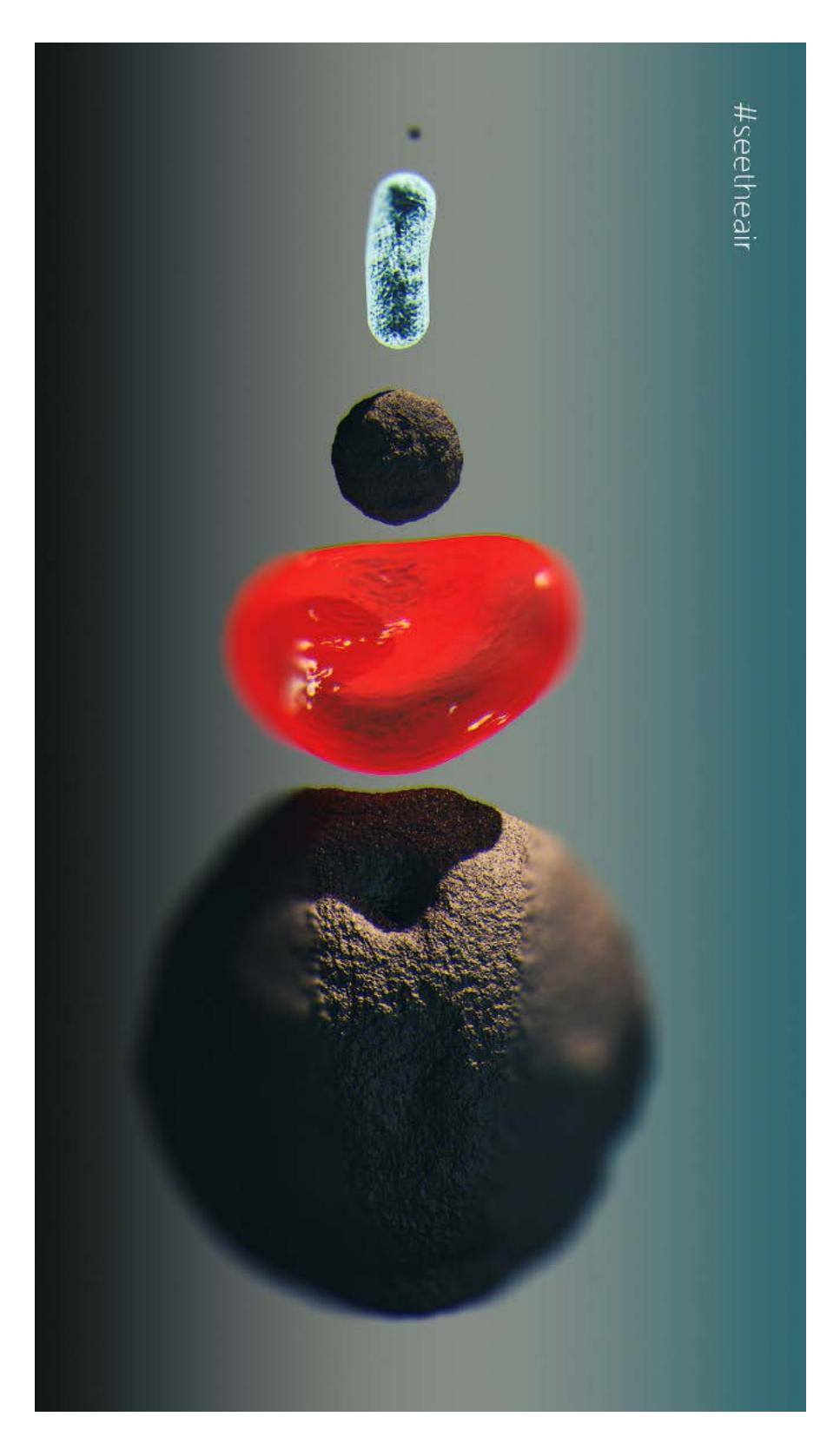
Exhibit 2.2: What a Particle Looks Like When You Cannot See it. PM2.5 is far smaller than the eye can perceive. Imagine a human hair at 70 micrometres, a red blood cell at about 6 to 8 micrometres, then a cluster of particles at 2.5 micrometres and below. These particles can pass into the bloodstream. Image by Sotirios Papathanasiou
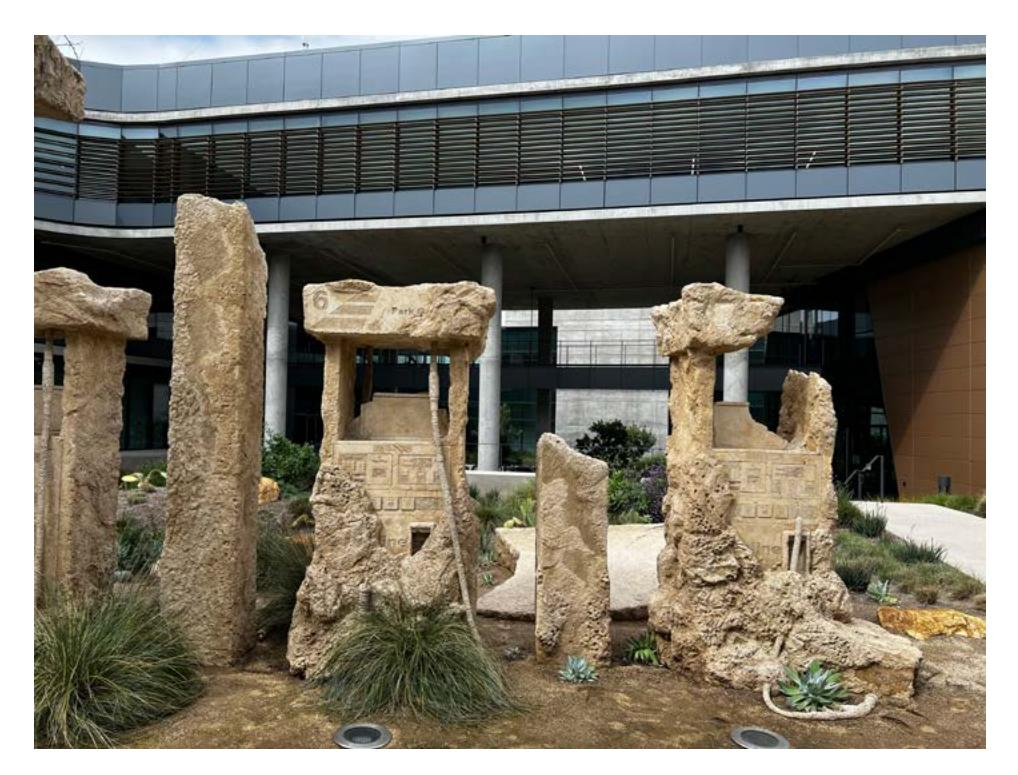
Exhibit 2.3: Dirty Fuel, Dirty Air. The path to clean air begins at the refinery. High-sulfur fuels poison the air directly and render modern vehicle emission controls useless.
alone. It carries metals and organic compounds that add toxicity, and particle surfaces trigger inflammation in the body. When PM concentrations climb, emergency visits and premature deaths follow.
PM also changes how the environment works and looks. It reduces visibility, creating the haze that erases our skylines. When particles deposit, they can acidify water bodies, alter nutrient balances, and coat leaves and crops, reducing photosynthesis and yields. On buildings and machinery, a film of particles accelerates wear and corrosion. PM interacts with climate too. Black carbon absorbs sunlight and warms the atmosphere and snow surfaces. Sulfates reflect sunlight and cool slightly. The local net effect depends on the mix, which is another reason to know exactly what is in our air and where it comes from.
Pakistan can reduce particle pollution quickly if it targets the sources that dominate exposure. The policy levers are clear and proven. Cleaner fuels are foundational because lower sulfur content reduces direct PM and unlocks modern emission controls. Rigorous inspection and maintenance for commercial diesel fleets by ‘real-world’ emissions testing finds and fixes the small share of vehicles that produce a large share of emissions. Urban freight management around ports and industrial corridors reduces idling and congestion. Brick kiln modernisation to zigzag designs with proper draft control cuts fuel use and PM substantially, and enforcement against burning waste and tyres closes a common loophole. Industrial boilers and furnaces can switch to cleaner fuels and install effective filters and scrubbers, verified by continuous emissions monitoring. Open waste burning is preventable through basic collection, safe disposal, and support for the informal sector that already recovers recyclables. Paying for residue management services and creating markets for straw can replace burning with income. These interventions are not conceptual. They have worked elsewhere and are locally achievable when leadership, enforcement, and practical incentives align.
Sulfur dioxide: the fuel problem you can smell
Sulfur dioxide is a sharp, choking gas released when sulfur-bearing fuels burn. In Pakistan, that means the use of coal, furnace oil and other heavy fuels in industry and power generation, and diesel with sulfur above modern specifications. Metal smelting and some chemical processes add their share. SO2 in our airsheds comes from controllable sources.12
In the air, SO2 oxidises to form sulfate particles that become part of PM2.5. As a gas, it irritates airways and can trigger symptoms in people with asthma. As sulfates, it reduces visibility, adds to regional haze, and contributes to acidification in soils and water. Where fuels contain a lot of sulfur, even the best emission controls struggle. Chemistry overwhelms filters and catalysts designed for cleaner inputs.
There is a direct fix with broad co-benefits. Cut sulfur in fuels at the refinery and at import, and a large part of the problem falls within weeks. Enforce sulfur specifications at the pump and at industrial boilers, backed by testing. Where heavy fuels remain, require desulfurisation and particulate controls sized for real emissions, not for theoretical fuel specs. At ports, require low-sulfur marine fuel and provide shore power so ships can turn off auxiliary engines at berth. These are the foundations of modern air quality management. They lower sulfates and PM2.5 at the same time.
Nitrogen dioxide: traffic’s signature
Nitrogen dioxide forms wherever fuel burns hot. It is the brown tint over busy roads, the plume from a diesel generator in a narrow lane, the heat-blur of an industrial stack. Together with nitric oxide it is counted as NOx. NO2 inflames the lungs and worsens asthma. It narrows airways and increases reactions to allergens. Unlike PM, which sometimes shows itself as haze, NO2 can be highly local, with sharp gradients near roads and generators where people actually live and work.13
NO2 drives other chemistry. It helps form nitrate particles that add to PM2.5. Along with reactive hydrocarbons, it fuels the sunlight-driven reactions that create ozone downwind. Reducing NO2 can yield a two-for-one gain: lower particle levels and lower ozone peaks. In Pakistan, growth in vehicle kilometres and backup generation during power shortfalls has raised NO2 hotspots even when PM gets the headlines.
The remedy is technical and institutional. Cut NO2 where people breathe it. Use cleaner fuels so catalytic converters and diesel after-treatment work. Require periodic inspections that measure emissions and force repairs, especially for buses, trucks, and commercial
vans. Modernise bus fleets and expand and electrify high-frequency public transport to replace car and motorcycle trips. In dense neighbourhoods, regulate generator use and encourage shared or cleaner backup options. Manage construction traffic and freight so trucks travel at hours and on routes that minimise exposure. These steps lower NO2 hotspots and, by starving the chemistry, also reduce nitrate PM and downwind ozone.
Ozone at the surface: sunlight’s unintended product
High above Earth, ozone shields life from ultraviolet radiation. Near the ground, it harms by inflaming lungs and injuring leaves. Ozone is not emitted directly. It forms when NOx and volatile organic compounds from fuels, solvents, and some industrial processes react in sunlight. Because it forms in the air, the highest concentrations often occur downwind of where the gases were emitted hours earlier. Ozone peaks on bright, stagnant afternoons. It is less of a winter headline than PM, but it damages lungs all the same and takes a real toll on crops.14
The health effects are clear. Ozone reduces lung function, causes chest pain and throat irritation, and triggers asthma. Repeated exposure contributes to chronic respiratory disease. On farms and in forests, ozone slows photosynthesis and growth, browns leaf tissue, and increases susceptibility to pests and disease. Because plants are the country’s food and carbon budget, this damage matters. Ozone is also a short-lived climate forcer, adding warming while it persists.
Lowering ozone means cutting the ingredients that make it. Reducing NOx from traffic, generators, and industry is essential. So is reducing volatile organic compounds. That includes fuel storage and refueling vapour controls, low-VOC paints and solvents, and leak detection and repair in chemical plants. There is no machine that scrubs ozone from ambient air. The only way to fix ozone is to starve the chemistry. City plans that target PM alone will miss this problem unless they deliberately track and control the gases that create it.
Carbon monoxide: the signal of incomplete combustion
Carbon monoxide is colourless and odourless, which is part of the danger. It forms when fuels burn without enough oxygen for a complete reaction. Outdoors, CO concentrations are highest near traffic and engines. Indoors, poorly vented stoves, heaters, and generators can create lethal conditions. Carbon monoxide binds to haemoglobin far more strongly than oxygen, reducing the blood’s ability to carry oxygen to tissues. High concentrations can cause dizziness, confusion, loss of consciousness, and death. Even at lower levels, people with heart disease may feel chest pain and fatigue.15
The good news is that CO is a marker of inefficiency. When engines and burners work
properly on clean fuels with the right air supply, they produce little carbon monoxide. Almost every measure that improves combustion and reduces PM and NO2 also reduces CO. Cleaner fuels, working catalytic converters, tuned engines, and well-vented appliances are the strategy.
At home, do not run generators in poorly ventilated spaces. Ensure gas or kerosene heaters are vented and maintained. Where feasible, install carbon monoxide alarms. In traffic, the same habits that reduce PM and NO2 exposure reduce CO: avoid tailpipe-to-tailpipe time in jams, recirculate and filter cabin air during peaks, and time trips to dodge the dirtiest hours.
Lead in air: a legacy hazard that still needs vigilance
Young children are most affected by air pollution because they have smaller lungs and lack the immunities that come with age. They also breathe twice as fast as adults and take in more air, often through the mouth, along with pollutants, leading to life-threatening respiratory diseases. Phasing out leaded petrol was one of the great public health victories of recent decades. Airborne lead concentrations fell dramatically. Yet lead has not vanished. It persists near sources like metals processing, informal battery recycling, and some waste burning. Lead is a neurotoxin, and children are most vulnerable. Even low exposures impair brain development, reduce IQ, and affect behaviour. In adults, chronic exposure increases blood pressure and harms the kidneys. Lead settles onto soil and dust and can be inhaled or ingested later.16
The policy task is clear. Keep lead out of fuels and paint. Regulate and monitor industries that handle lead. Formalise and control battery recycling, with proper collection, smelting controls, and worker protection. Sample air and dust near suspected sources and publish the results so communities know their risk. Because averages hide hotspots, targeted monitoring around facilities is essential.
For families near industry, frequent wet cleaning reduces dust. Hand-washing before meals reduces ingestion. Pediatric screening where exposure is suspected allows early intervention. These personal steps are second best. The real solution is to stop lead at the source.
Pakistan’s lead story still touches the air we breathe. While leaded petrol is gone, airborne and settled lead persist near metals processing, informal battery recycling, and in leadcontaining paints that degrade into dust. A 2023 market study by Aga Khan University and the Lead Exposure Elimination Project found that 40% of solvent-based household paints sampled in Karachi exceeded Pakistan’s 100-ppm legal
limit, with some tins reaching thousand-fold higher levels. That dust becomes indoor and outdoor airborne lead, a direct exposure pathway for children. The fix is straightforward: enforce the paint lead limit with independent testing and market surveillance, formalise and control battery recycling, and monitor air and dust near smelters and scrap yards so hotspots are visible and addressed.17 7
Other pollutants that shape the air we breathe
Three pollutant families deserve attention because they shape the PM and ozone that we breathe. Ammonia, largely from fertiliser use and livestock, reacts with acidic gases to form ammonium salts that contribute to PM2.5. Smarter fertiliser timing and placement, urease inhibitors, and better manure management lower particle formation without harming yields. Volatile organic compounds evaporate from fuels, paints, solvents, and some industrial processes, and they are essential ingredients in ozone and secondary organic aerosol. Controlling these vapours through tighter storage, vapour recovery at refueling, low-VOC product standards, and leak detection in industry reduces both ozone and PM. Polyaromatic hydrocarbons form during incomplete combustion. Many are carcinogenic. They ride on particles, especially black carbon, and add toxicity to the PM burden. Cutting the dirty end of combustion—waste burning, uncontrolled brick kilns, smoky engines cuts PAH exposure.
Indoor air meets outdoor air
Not all exposure happens on the street. In homes that rely on wood, dung, coal, or waste for cooking and heat, the kitchen can be the most polluted room a family ever enters. Women and young children bear the brunt. Household air pollution is an air quality issue and an energy issue. Clean cooking fuels and technologies reduce PM, CO, and other toxic compounds inside homes and, because smoke leaks outdoors, in neighbourhoods too. Reliable electricity for ventilation and induction cooking, affordable LPG or biogas where appropriate, and safe efficient stoves are not luxuries. They are public health measures with immediate benefits.8
Schools can act even faster. Create clean rooms for the worst days by using portable HEPA purifiers in classrooms and clinics. Teach students how to read simple air quality graphics. Time outdoor assemblies and sports for cleaner hours. Make ventilation smart rather than constant, opening up when the air outside improves and closing when pollution surges.
Why South Asia, and why winter
The Indo-Gangetic Plain and the foothills below the great mountain ranges form one of
[^17] Lead Exposure Elimination Project. (2023, February 14). Lead paint in Pakistan.
the world’s most persistent air pollution hotspots.20 In late autumn and winter, the lower atmosphere cools near the surface while warmer air above creates a cap. That inversion traps pollutants near the ground and slows their escape. Mountains hem the air horizontally. Seasonal behaviours add smoke and dust. Farmers needing fields cleared for the next crop burn straw because it is fast and cheap. Residents, industry, and commerce all use more fuel for heat and light as the days shorten and temperatures drop. The result is a predictable rhythm: a rise in October, a peak from November to January, then relief as wind and rain return. Satellite images from early November 2024 show the haze clearly, with a broad ribbon of smoke and stagnant air blanketing the plains.
Pollution also crosses borders. What a monitor reads in one city may come in part from a power plant upwind, a ring of brick kilns across a district line, trucks bound for another city, or crop residue burning fires far away. This is why provincial policies need coordination across districts, and why national efforts benefit from regional agreements.
Reading the numbers without getting lost
Air quality indices translate complex chemistry into simple colours and categories. They are useful for public communication and daily choices, but the underlying concentrations drive risk. Different indices use different breakpoints. Pakistan’s standards differ from WHO’s guidelines. One app may show unhealthy while another shows hazardous because scales differ. For policy, tie decisions to actual concentrations and to the health-based limits you plan to reach. For daily life, use one trusted local source consistently and learn the pattern in your neighbourhood.
The recent smog crisis drew global attention for a reason. In November 2024, Lahore’s air turned so toxic that hospitals filled with adults and children struggling to breathe. Schools closed. Offices shuttered. Satellite images showed the plume from space. International media described the scene in stark terms, placing Pakistan’s struggle alongside other megacities that faced similar episodes before choosing to act. The question for Pakistan is not whether the world has noticed. It is whether we now choose to deliver clean air as a public service that people can feel in their lungs and see in the sky.
A final word
Pakistan’s air pollution is not the inevitable price of growth. It is the cost of outdated fuels and machines, weak enforcement, and decisions made without counting health. What these pages offer is a map of the air itself—what is in it, why it is there, how it harms, how it touches climate, and what works to clean it. The country has the data, the local evidence, and the global examples to act. The work ahead is to bring standards into line with health science, to build and maintain a monitoring network the public can trust, and to enforce rules with fairness and resolve. The payoffs are immediate: fewer deaths, fewer missed school days, fewer hours in hospital corridors, clearer skies above our cities, and a stronger economy below. Clean air is not a luxury. It is the baseline for a dignified life and the foundation for a modern Pakistan.
How to read AQI in Pakistan
Air Quality Index Health Category Health Advisory
| Air Quality Index | Health Category | Health Advisory |
|---|---|---|
| 0 to 50 | Good | Air quality is satisfactory, and air pollution poses little or no risk. |
| 51 to 100 | Moderate | Air quality is acceptable and within Pakistan’s Environmental Quality Standards. However, some pollutants may be a moderate health concern for a small number of unusually sensitive individuals. |
| 101 to 150 | Unhealthy* for Sensitive Groups | Members of sensitive groups (e.g., individuals with lung/heart disease, pregnant women, older adults, children) may experience health effects. The general public is less likely to be affected. |
| 151 to 200 | Unhealthy | Everyone may begin to experience health effects; sensitive groups may experience more serious effects. All individuals should reduce prolonged or heavy outdoor exertion. |
| 201 to 300 | Very Unhealthy | HEALTH ALERT Increased risk of adverse health effects for everyone. Sensitive groups should avoid all outdoor activity. The general public should avoid prolonged or heavy exertion. |
| 301 to 500 | Hazardous | HEALTH EMERGENCY Hazardous conditions for the entire population. All individuals should avoid all outdoor activity. Remain indoors and keep windows closed. |
| 500 or higher | Beyond Index | EXTREME HEALTH EMERGENCY Extremely hazardous conditions. All individuals must remain indoors. All outdoor activity is extremely harmful to health. |
The Air Quality Index turns complex measurements into a single number and colour that you can use; higher means worse and it also means more risk, regardless of the app or chart. It ranges from clean to hazardous, with colours to match.
Popular apps commonly use the United States AQI method, whereas in Pakistan, the Punjab government has devised its own index to use for government advisories. Each pollutant is measured in micrograms per cubic metre or parts per million, then converted into an index.
The highest index value from the set becomes the AQI for the hour or the day. What matters for health is that as the number rises, risk rises.
A Good day sits in the 0 to 50 range. Air is clean enough that outdoor activity poses little risk to anyone.
A Moderate day, 51 to 100, is generally fine for the public, though some unusually sensitive people may begin to notice irritation if they exercise hard outdoors for long periods.
Unhealthy for Sensitive Groups, roughly 101 to 150, is a point where children, older adults, and people with asthma or heart conditions should shorten outdoor time and keep medication at hand.
Unhealthy, 151 to 200, is the point where everyone begins to feel it. Exercise outdoors becomes unwise. People with chronic conditions should stay indoors with windows closed and ventilation managed.
Very Unhealthy, 201 to 300, is a health alert. Even healthy people can develop symptoms with exposure. Schools should move sports indoors.
And finally, Hazardous, above 300, is an emergency. Authorities often close schools and advise everyone to stay inside. During the worst episodes in recent years, numbers have leapt well beyond 300. On those days, a well-fitting respirator, portable air purifiers, and relocating to cleaner indoor spaces are protective steps.
AQI is not a perfect instrument. Different countries set different breakpoints. Punjab’s revised index is closer to international practice than earlier versions, and that is a health gain in itself because it does not disguise danger as routine. The AQI also does not make the air safer. It allows you to make better decisions while the country does the work of bringing concentrations down. The rule is simple. Check a credible local source each morning. Change your routine when the number is high. Use cleaner air hours for ventilation. And speak up when the index tells the same bad story day after day, because persistence of the problem is not a weather report. It is a policy report.
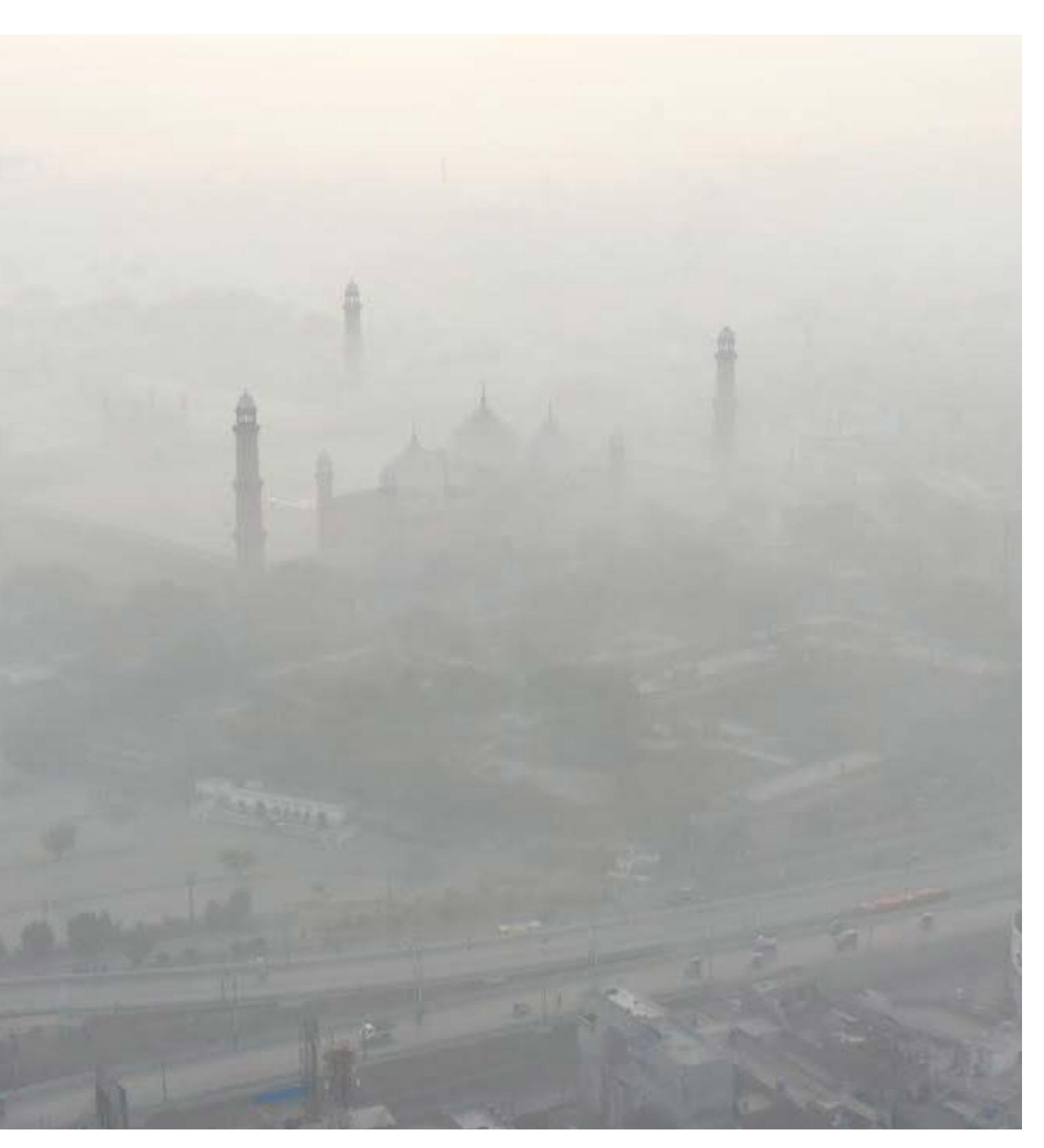
The iconic domes of the Badshahi Masjid are barely visible through a thick blanket of winter smog. This obliteration of landmarks serves as a stark visual indicator of air quality levels that frequently cross hazardous limits, erasing the city’s heritage along with its horizon. Photo by Mahera Omar/Pakistan Air Quality Initiative
Footnotes
-
Al Jazeera. (2024, November 4). Record-high air pollution shuts schools in Pakistan’s Lahore. ↩
-
Gabol, I. (2024, November 9). Punjab doubles restrictions as Multan AQI tops 2,000. DAWN.COM. ↩
-
The New York Times. (2024, November 7). Record air pollution hospitalizes hundreds in Pakistani city. ↩
-
World Bank. (2024, September 5). Air pollution knows no borders in South Asia, neither do solutions. ↩
-
They are called “criteria” pollutants because they are the most common and well-studied pollutants for which health-based criteria and ambient standards have been established by agencies such as WHO and US EPA. See WHO Global Air Quality Guidelines (2021) and US EPA’s overview of the National Ambient Air Quality Standards. ↩
-
United States Environmental Protection Agency. Particulate matter (PM) basics. ↩
-
Siddiqui, D.-A., Coulter, L., Loudon, C., & Fatmi, Z. (2023). The brighter the worse: Lead content of commercially available solvent-based paints intended for residential use in Pakistan. F1000Research, 12, 166. ↩
-
World Health Organization. (2014). Guidelines for indoor air quality: Household fuel combustion. ↩