islamabad
Even Islamabad is Not Spared: Haze Over the Capital
Pakistan's planned capital, once known for clean mountain air, now regularly experiences hazardous pollution levels during winter months.
Abid Omar ·
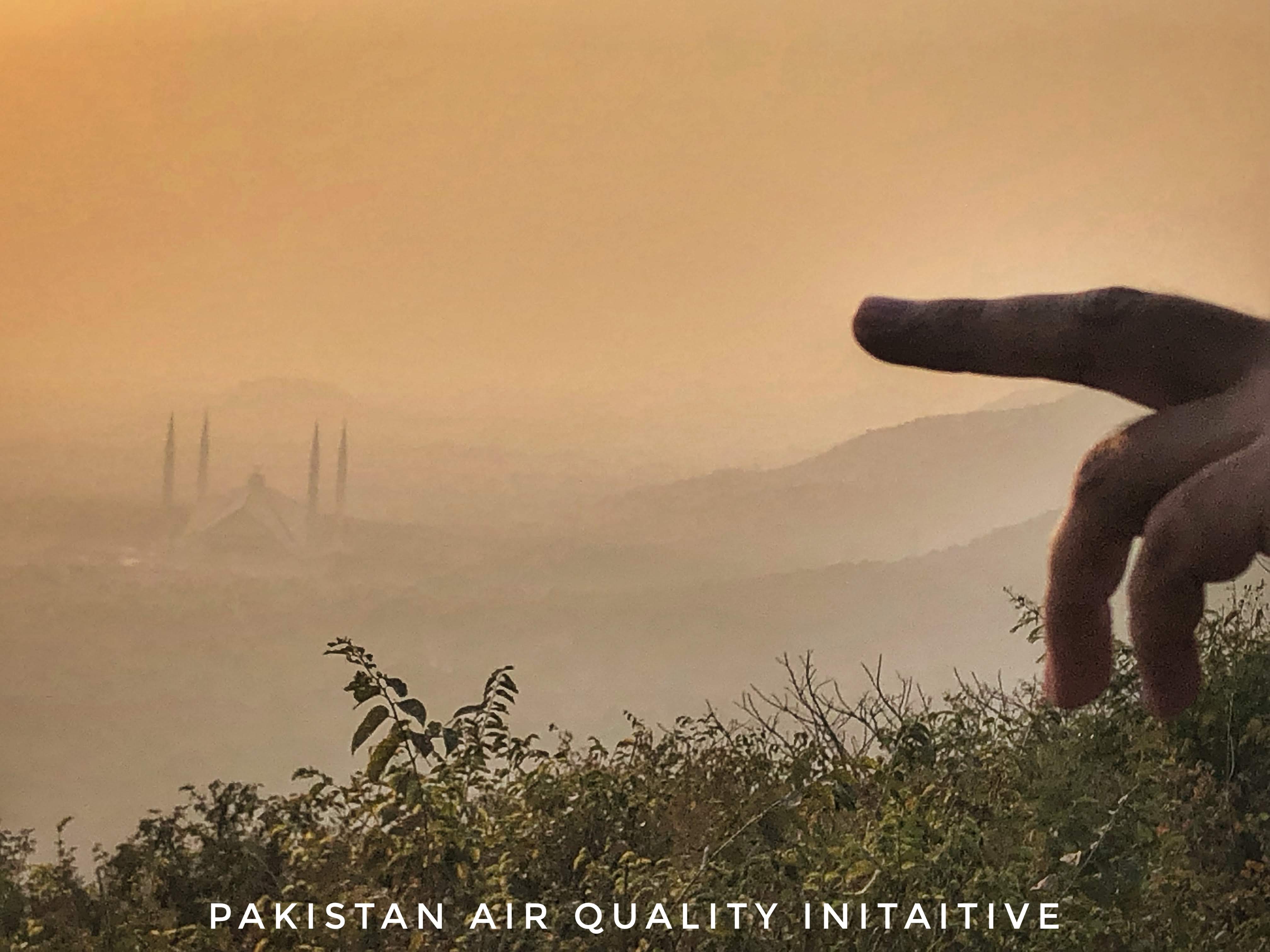
Islamabad was designed as a green, planned city nestled against the Margalla Hills. For decades, its residents enjoyed relatively clean air compared to Lahore or Karachi. That is no longer the case.
A changing reality
Winter 2023-24 saw Islamabad record some of its worst air quality readings in history. The Faisal Mosque — normally visible from across the city — disappeared behind a wall of haze. Schools were closed, outdoor activities suspended, and hospitals reported surges in respiratory complaints.
The capital’s air quality challenges stem from multiple sources:
- Regional transport of pollutants from Punjab’s agricultural burning
- Rapid urbanisation driving construction dust and vehicle growth
- Brick kilns operating in the wider Rawalpindi-Islamabad metropolitan area
- Topography — the Margalla Hills can trap pollution under winter inversions
The monitoring gap
Despite being the seat of government, Islamabad has surprisingly few official air quality monitors. Pakistan’s environmental monitoring infrastructure remains underdeveloped, with most cities relying on a handful of stations — insufficient for a city of over 2 million.
PAQI’s sensor network helps fill this gap, providing neighbourhood-level data that official monitoring cannot capture. This data has revealed significant variation across the city, with areas closer to construction sites and main roads experiencing pollution levels two to three times higher than quieter residential zones.
Policy implications
Islamabad’s pollution problem matters beyond its borders because this is where national policy is made. When lawmakers, judges, and bureaucrats personally experience hazardous air quality, it creates political momentum for action.
Recent developments include the Lahore High Court’s Green Bench taking up air quality cases, and the federal government acknowledging air pollution as a public health emergency. But policy acknowledgment must translate into enforcement and investment — something Pakistan has historically struggled with.
When the capital city chokes, it becomes harder for anyone to pretend the crisis doesn’t exist.